


 Feb 25,2025
Table of Contents
The affiliate marketing landscape is in constant flux, and 2025 is proving no different. We are operating in an environment shaped by rapid technological innovation, evolving consumer expectations, and shifting regulatory frameworks. What worked yesterday may not be effective tomorrow, and affiliates as well as merchants must remain agile to stay competitive.
At BizLounge, we believe automation, data-driven decision-making, and strategic partnerships are now essential to long-term success. As specialists in workflow automation for e-commerce and affiliate marketing, we help businesses save time, maximise ROI, and achieve growth with less effort. In this article, we will unpack the current affiliate marketing landscape, highlight the major trends influencing the industry in 2025, and offer practical strategies to ensure you thrive.
Understanding the Affiliate Marketing Landscape
Affiliate marketing is a performance-based model where affiliates earn a commission by promoting a merchant’s products or services. The affiliate earns only when the customer takes a desired action—whether making a purchase, signing up for a subscription, or engaging with a brand.
This model remains attractive in 2025 because it is:
- Low risk for merchants – Payment is tied to performance, so marketing spend is efficient.
- High potential for affiliates – Influencers, bloggers, and online entrepreneurs can monetise their platforms effectively.
- Customer-friendly – Recommendations often come from trusted voices, building credibility.
The affiliate marketing landscape in 2025 is increasingly digital-first, shaped by mobile-first browsing, AI-powered targeting, and omnichannel engagement. Affiliates, merchants, and customers all play pivotal roles in sustaining this ecosystem.
Learn more about affiliate marketing basics at HubSpot.
Why Affiliate Marketing Matters More Than Ever
In today’s digital economy, affiliate marketing is not just another channel—it is a cornerstone of growth.
- Cost-effective growth – Merchants only pay for results.
- Influencer credibility – Affiliates leverage the trust they’ve built with audiences.
- Market expansion – Brands gain access to global audiences through affiliate networks.
For affiliates, this landscape offers opportunities to build sustainable income streams, whether through commission models, recurring revenue partnerships with SaaS providers, or niche-focused membership sites.
The Power of Influencer Marketing
Social media continues to dominate how people discover products. Partnering with influencers gives affiliates access to:
- Authentic recommendations.
- Highly targeted audiences.
- Content that feels organic, not forced.
In 2025, micro-influencers with smaller but highly engaged audiences often deliver better ROI than mega-influencers. Forbes recently reported that authenticity is the new currency of influence.
The Emergence of Content Marketing in Affiliate Strategies
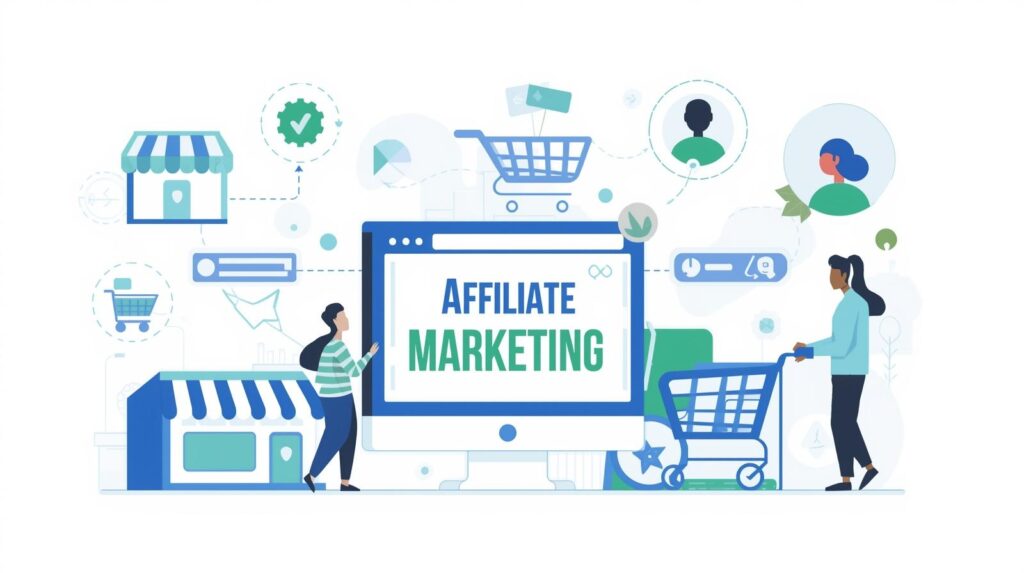
The adage “content is king” holds more relevance than ever, particularly for affiliate marketers. Those who invest time and effort into crafting high-quality content—be it engaging blog posts, insightful video reviews, or informative podcasts—can position themselves as credible and trustworthy authorities in their niche.
- Educational Tutorials: By offering well-structured tutorials that guide users through complex topics related to their products or services, affiliates not only enhance their authority but also foster a deeper connection with their audience. These tutorials empower consumers, encouraging them to understand and appreciate the value of the products being promoted.
- Product Comparisons: Detailed comparisons that highlight the pros and cons of various products can significantly influence purchasing decisions. Affiliates that present clear, unbiased assessments of competing products motivate potential buyers to make informed choices, ultimately driving higher conversion rates.
- SEO-Optimized Articles: Creating articles meticulously optimized for search engines is crucial to enhancing visibility and attracting organic traffic. By focusing on relevant keywords and employing effective SEO strategies, affiliates can ensure their content ranks well in search results, making it easier for potential customers to discover their offerings.
Looking ahead to 2025, the most successful affiliate marketing brands will be those that seamlessly integrate compelling content with advanced automation tools. This combination not only enables them to deliver consistent, high-quality content at scale but also enriches the customer experience, a vision that we wholeheartedly endorse at BizLounge. By implementing these strategies, affiliates can maximize their impact in an increasingly competitive marketplace.Rise of Content Marketing in Affiliate Strategies
Content remains king in today’s affiliate marketing landscape. Affiliates who create high-quality blog posts, video reviews, and podcasts can establish themselves as trusted voices.
- Educational tutorials build authority.
- Product comparisons drive conversions.
- SEO-optimised articles ensure visibility in search results.
The strongest affiliate brands in 2025 combine content with automation tools to deliver value at scale—something we at BizLounge champion.
Exploring Profitable Niches in the Affiliate Marketing Sphere
In the competitive realm of affiliate marketing, specialization plays a crucial role in success. Instead of attempting to appeal to a broad audience, savvy affiliates are strategically focusing on specific, profitable niches that cater to distinct consumer needs.
Understanding Niche Markets
A niche market is essentially a targeted segment within a larger industry, characterized by particular preferences and unique requirements of a defined customer group. Affiliates who hone in on these niches stand to gain several advantages:
- Enhanced Trust and Loyalty: By focusing on a specific niche, affiliates can cultivate a deeper connection with their audience. This targeted approach often results in a community of loyal followers who appreciate the affiliate’s expertise and tailored content.
- Improved Conversion Rates: With a well-defined audience and relevant offerings, affiliates can see a significant boost in conversion rates. When potential customers feel that their specific needs are being addressed, they are more likely to make a purchase.
- Reduced Competition: Focusing on a niche can lead to less saturation in the market. While popular markets may have numerous players, untapped or underrepresented niches allow affiliates to stand out and establish themselves as authorities.
Tools for Effective Niche Research
To discover and evaluate promising niche opportunities, affiliates can leverage several powerful tools:
- Google Keyword Planner: This tool is invaluable for identifying trending keywords relevant to various niches. By understanding what potential customers are searching for, affiliates can position their content and products effectively.
- SEMrush: Known for its comprehensive keyword tracking capabilities, SEMrush allows affiliates to monitor keyword performance and assess the competitive landscape. This insight helps in making informed decisions about which niches to pursue.
- Statista: Offering a wealth of industry data and insights into consumer behavior, Statista equips affiliates with the statistical backing they need to support their niche selection. Accessing this information helps affiliates understand market trends and consumer preferences.
By employing these tools and analyzing the gathered data, affiliates can uncover hidden opportunities, enabling them to navigate the affiliate marketing landscape more effectively and successfully carve out their profitable niche.Identifying Lucrative Niches in the Affiliate Marketing Landscape
Specialisation is key. Rather than targeting everyone, affiliates are carving out profitable niches.
What Are Niche Markets?
A niche is a smaller segment of a larger market within the affiliate marketing landscape, defined by unique needs. Affiliates who target a niche can:
- Build deeper trust with their audience.
- Achieve higher conversion rates.
- Face less direct competition.
Tools for Niche Research
- Google Keyword Planner – Identifies trending keywords.
- SEMrush – Tracks keyword performance and competition.
- Statista – Offers industry data and consumer behaviour insights.
By analysing data, affiliates can uncover hidden opportunities in the affiliate marketing landscape.
Selecting the Most Suitable Affiliate Programs
Not all affiliate programmes provide the same level of opportunity for success in teh affiliate marketing landscape. To effectively thrive in this space, affiliates should undertake a thorough evaluation of several critical factors:
- Merchant Quality: Assess the value proposition of the products being offered. Are the items high-quality, reliable, and beneficial to the target audience? It’s essential to partner with merchants whose products resonate with your niche and genuinely improve the lives of potential customers.
- Commission Structure: Investigate the commission rates offered by the program. Are they competitive when compared to industry standards? Additionally, consider the sustainability of these rates. It’s crucial to choose a program that not only rewards you generously but also has a business model likely to thrive long-term, ensuring continuous earnings.
- Reputation: Research the merchant’s reliability in terms of payment to affiliates. Do they consistently honor their commitments and remit payments promptly and fairly? Check for reviews and testimonials from other affiliates to gauge their credibility and trustworthiness. A reputable merchant fosters a positive working relationship, which is vital for enduring success.
In conclusion, achieving long-term success in affiliate marketing requires careful selection of partnerships with brands that not only align with your audience’s interests but also resonate with your personal values. Choose wisely to cultivate a sustainable and rewarding affiliate business.working with brands that align with your audience and values.
Building an Effective Affiliate Website
Your website serves as the central hub for your affiliate marketing endeavours and plays a significant role in shaping the affiliate marketing landscape.
The Significance of User Experience
- Clean Design: A visually appealing and organized layout is crucial for engaging visitors. It should feature intuitive navigation, ensuring users can effortlessly find the information they seek. A clutter-free design not only enhances aesthetics but also directs attention to key areas, such as product recommendations or call-to-action buttons.
- Fast Loading Speed: In today’s fast-paced digital environment, users have little patience for slow-loading pages. Aim for your website to load in under three seconds to reduce bounce rates. Optimize images, leverage browser caching, and minimize HTTP requests to enhance loading times. A swift website not only improves user satisfaction but also positively influences search engine rankings.
- Mobile Responsiveness: With a significant amount of web traffic coming from mobile devices, it is essential that your site is fully responsive. This means your website should adapt seamlessly to various screen sizes, providing an equally functional experience whether viewed on a smartphone, tablet, or desktop. Ensuring a smooth mobile experience reduces frustration and keeps users engaged.
Creating a user-friendly website instils confidence in visitors, ultimately fostering trust and encouraging conversions in the affiliate marketing landscape. An interface that prioritises user experience can significantly enhance the effectiveness of your affiliate marketing strategies.
Content Strategy and SEO Optimisation
- Develop evergreen articles that not only maintain relevance over time but also attract steady traffic from search engines. These pieces should cover topics that remain valuable to your audience, ensuring they continue to draw visitors long after their initial publication.
- Implement advanced SEO strategies to effectively target long-tail keywords. This involves researching specific phrases that potential readers are using and incorporating these terms naturally into your content to improve search engine rankings and visibility.
- Integrate clear and compelling calls to action throughout your articles, directing readers to affiliate links. This can involve strategically placing buttons or text invitations that encourage users to click through, fostering higher conversion rates.
At BizLounge, we prioritise the power of workflow automation by seamlessly integrating tools like Freshstore. This allows us to create and manage affiliate websites in just a few minutes, enabling quick updates and ensuring our content remains fresh and engaging.
Leveraging Social Media in the Affiliate Marketing Landscape
Social platforms remain powerful channels for affiliate engagement in today’s affiliate marketing landscape.
- Instagram/TikTok – Great for short, visual content.
- YouTube – Ideal for tutorials and reviews.
- LinkedIn – Perfect for B2B affiliate programmes.
Consistency, community-building, and compelling storytelling are key.
Harnessing Email Marketing
Email remains one of the highest-ROI channels.
- Personalised campaigns convert more effectively.
- Automated sequences save time and nurture leads.
- Exclusive offers keep subscribers engaged.
Affiliates should grow lists with opt-in forms, lead magnets, and newsletter campaigns.
Staying Compliant in the Affiliate Marketing Landscape
Regulations in 2025 are stricter than ever.
- GDPR – Requires explicit user consent for data collection.
- FTC guidelines – Require clear disclosure of affiliate links.
Transparency builds trust and prevents penalties.
Evaluating and Enhancing Affiliate Performance
To achieve lasting success in the competitive arena of affiliate marketing, it is essential for affiliates to focus on measuring the key performance indicators that truly impact their overall effectiveness.
- Click-Through Rates (CTR): Understanding the percentage of users who click on affiliate links compared to the total number of viewers can provide critical insights into the effectiveness of marketing campaigns. A higher CTR often indicates compelling ad content and strategic placement.
- Conversion Rates: This metric reveals the percentage of visitors who take a desired action, such as making a purchase or signing up for a newsletter, after clicking on the affiliate link. By analyzing conversion rates, affiliates can identify which products or marketing strategies resonate most with their audience, allowing for targeted adjustments to improve outcomes.
- Revenue Per Visitor: Calculating the average revenue generated per individual visitor is crucial in determining the profitability of an affiliate’s efforts. This metric helps affiliates evaluate the effectiveness of their traffic in generating sales, guiding decisions on where to focus their marketing resources.
Engaging in regular, detailed analysis of these performance metrics not only helps affiliates fine-tune their strategies but also empowers them to stay agile and competitive in the ever-evolving landscape of affiliate marketing. By systematically optimising performance, affiliates can enhance their value proposition and ensure sustainable growth.etitive in the shifting affiliate marketing landscape.
Future Trends Shaping the Affiliate Marketing Landscape
As we look toward the future, several transformative trends are poised to redefine the affiliate marketing industry within the current affiliate marketing landscape:
- Artificial Intelligence: The integration of advanced AI technologies will revolutionize how affiliates operate. Leveraging predictive analytics, marketers can gain insights into consumer behavior and preferences, enabling the development of personalized recommendations that resonate with their target audience. This level of customization will not only enhance user engagement but also drive higher conversion rates, as customers receive content tailored specifically to their interests.
- Voice Search Optimization: With the increasing prevalence of smart devices like Amazon Alexa and Google Home, optimizing content for voice search becomes essential. Affiliates need to rethink their SEO strategies to accommodate conversational queries, focusing on natural language processing and ensuring their content is accessible through voice commands. This adjustment will be crucial in tapping into the growing market of voice-activated shopping.
- Automation Tools: The rise of automation in marketing brings tools such as chatbots and automated advertising systems to the forefront. These technologies streamline customer interactions by providing instant responses and facilitating seamless ad campaigns. Affiliates can benefit from these tools by freeing up time to focus on strategic initiatives while ensuring consistent engagement with audiences.
- Immersive Technology: The advent of augmented reality (AR) and virtual reality (VR) will create new avenues for affiliate marketing. By utilizing these immersive technologies, affiliates can offer interactive product showcases that allow consumers to visualize products in their own environment or experience them in a virtual setting. This dynamic approach not only enhances the shopping experience but also significantly boosts customer interest and retention.
Affiliates who embrace these innovations early on will undoubtedly position themselves as leaders in this evolving affiliate marketing landscape, setting the standard for the future of affiliate marketing.
Looking ahead, the affiliate marketing landscape will be shaped by:
- Artificial Intelligence – Predictive analytics and personalised recommendations.
- Voice search optimisation – Adapting for smart devices.
- Automation tools – From chatbots to automated ad campaigns.
- Immersive tech – Augmented and virtual reality for interactive product showcases.
Affiliates that embrace these groundbreaking innovations ahead of their competitors will set the standard for others to follow. By being pioneers in the adoption of advanced strategies and technologies, they will not only enhance their own operational efficiencies but also establish themselves as leaders in the marketplace. This proactive approach will position them to influence trends and shape the future of their industry.
FAQs About the Affiliate Marketing Landscape
Is affiliate marketing still profitable in 2025?
Yes, but profitability depends on choosing the right niche, leveraging automation, and adapting to new consumer trends.
How much can affiliates earn?
Earnings vary widely, but top affiliates in lucrative niches can generate six or even seven figures annually.
Which platforms are best for affiliate marketing now?
TikTok, YouTube, and niche blogs remain strong, with email marketing providing consistent conversions.


 Mar 01, 2025

